
University of British Columbia | Product Design
Talking About Anishinaabe Ways
Circle for Sharing Indigenous Voices Project
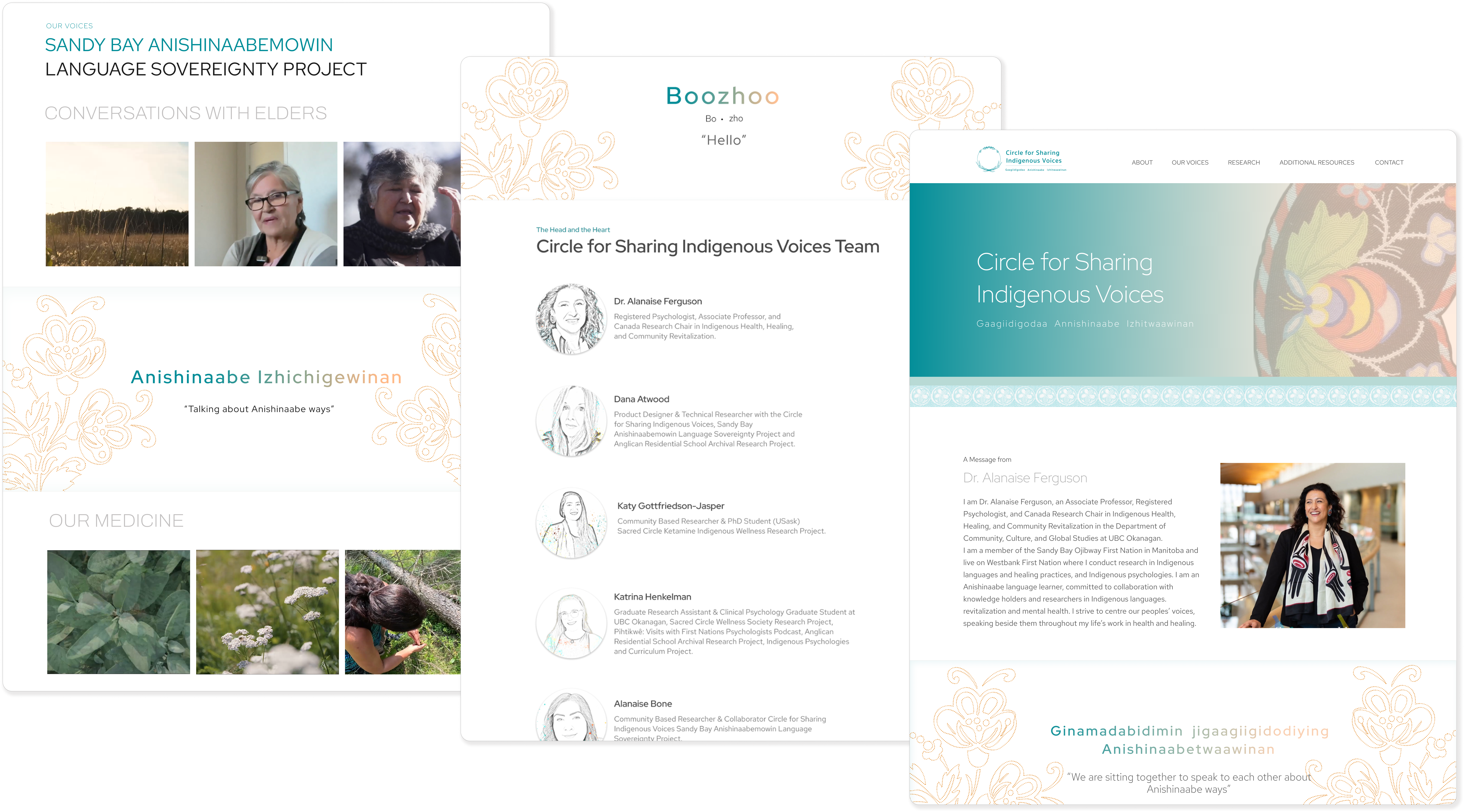
The goal of this project was to create a digital database & web platform to represent the the preservation, documentation and revitalization of the Anishinaabe language.
My Role
Research, UX Wireframing, Brand Design, Prototyping, Illustration, Visual Design, Video Editing, Content Creation, Web Dev Management, Technical Researcher, Tools Aquisition
Duration
1+ Year
Tools
Figma, Illustrator, Photoshop, Premiere Pro, Google Workspace, WordPress + DIVI
Team
Canadian Research Chair, Sandy Bay Elders, Anishinaabe Community Leaders, Our Fantastic Web Developer Suzie
What is the Circle for Sharing Indigenous Voices
The Circle for Sharing Indigenous Voices (CSIV) is a research communication centre funded by the John R. Evans Leaders Fund, the Canada Foundation for Innovation, and the BC Knowledge Development Fund, within the Department of Community, Culture and Global Studies at UBC. The purpose of the CSIV is to house, share, and advance knowledge about our research in Indigenous health, healing, community and language revitalization.
CSIV holds critical knowledge about Indigenous approaches to overcoming intergenerational trauma and loss. The members of this circle work together on multiple interconnected projects across the arc of the research lifecycle. We leverage digital communication technologies to seamlessly connect with our partners and share the knowledge we need to advance community health and healing.
Project Overview
This project aims to centre the voices of Anishinaabe Elders and Speakers through audio and video content to mirror traditional storytelling circles.
The design strategy focuses on equitable and honorable audio and visual storytelling, simplified UX architecture and an educational approach, to foster a deep emotional connection and understanding of the Anishinaabe language, traditions and peoples.
Our hope is to also bridge the gap between ancestral wisdom and modern digital accessibility. Creating a better digital representation and legacy database of the Anishinaabe langauge.
Discovery
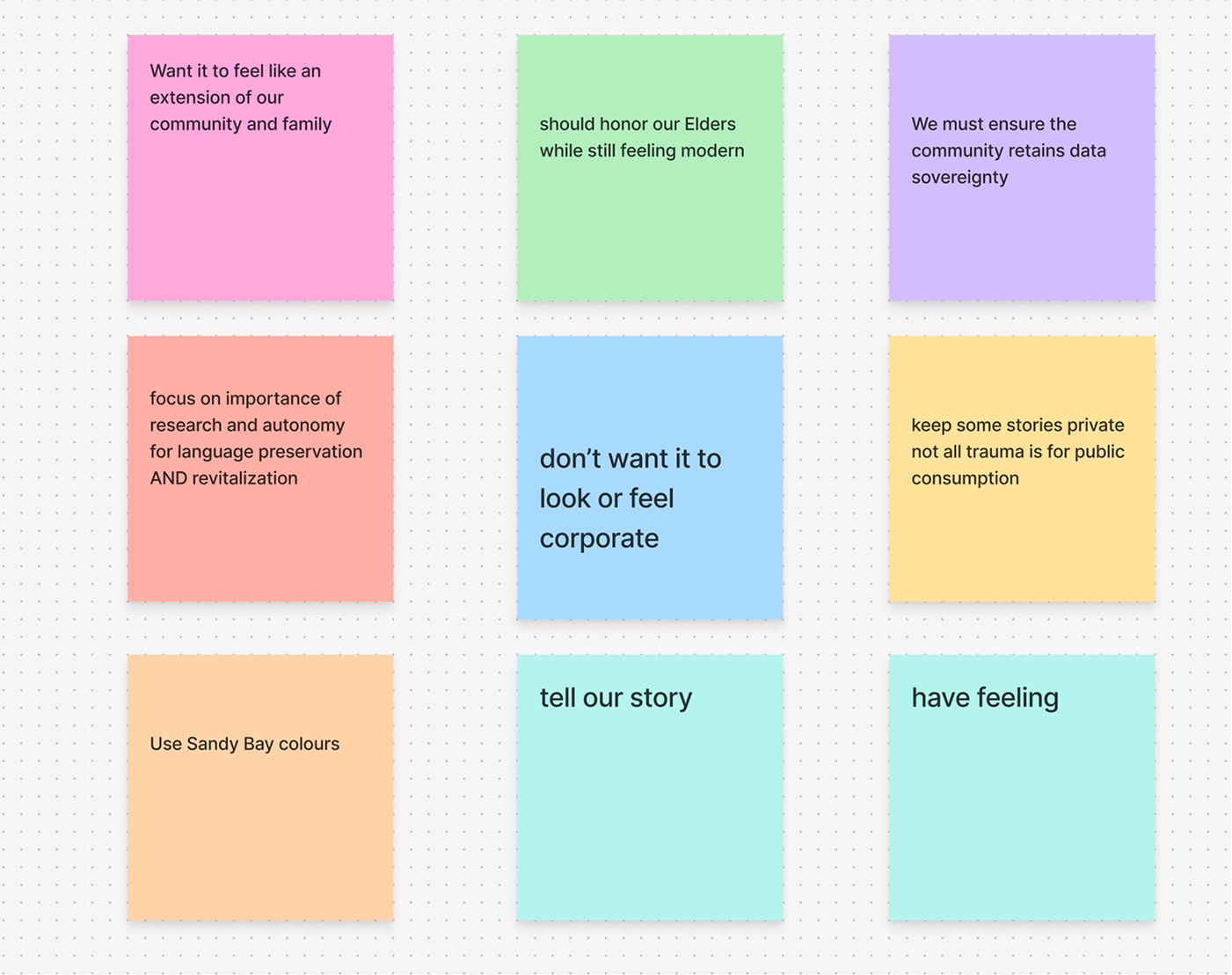
Who are we? How do we want to be seen?
The Products
What are we going to create?
Comparative Community Analysis
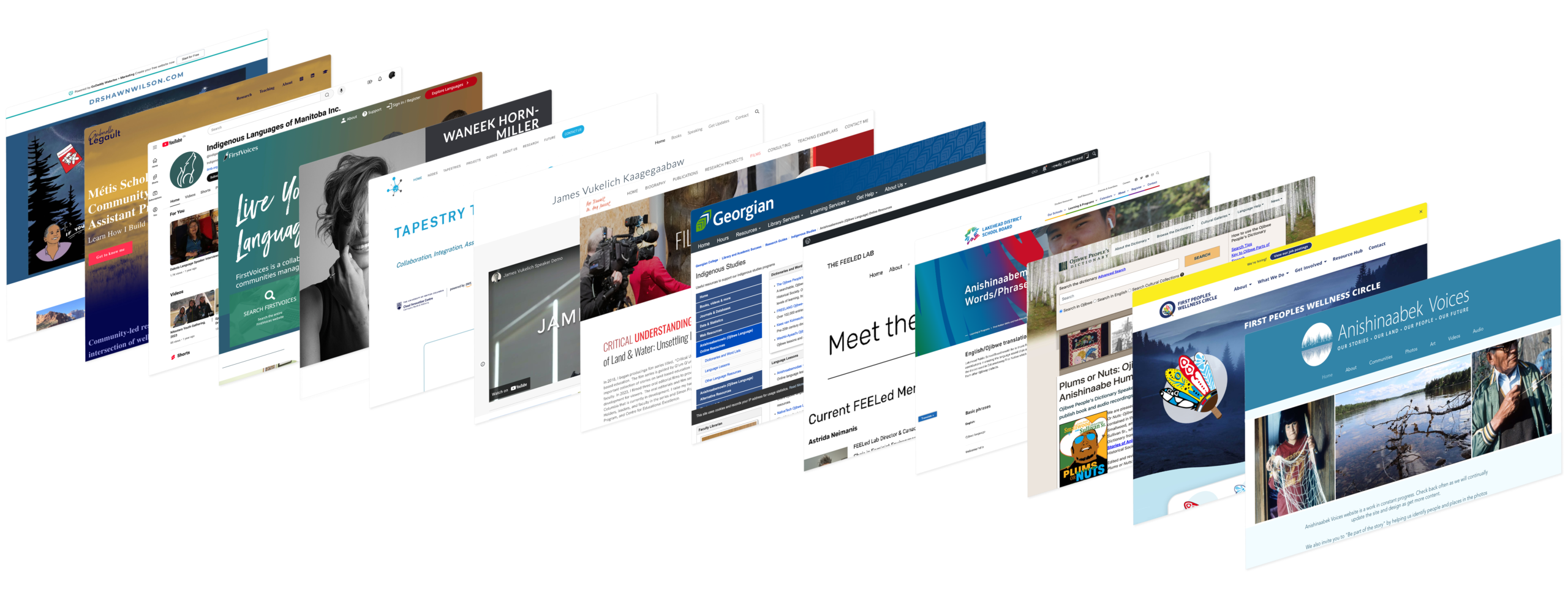
Our desire was to create a product that would compliment Annishinaabe based & other Indigenous platforms. It was important to us to review what leaders within the community as well as other professionals were doing. To create a platform that could be added to this growing body of work, strengthening the resources available.
Finding Our Name, Defining Our Brand
Finding Our Name
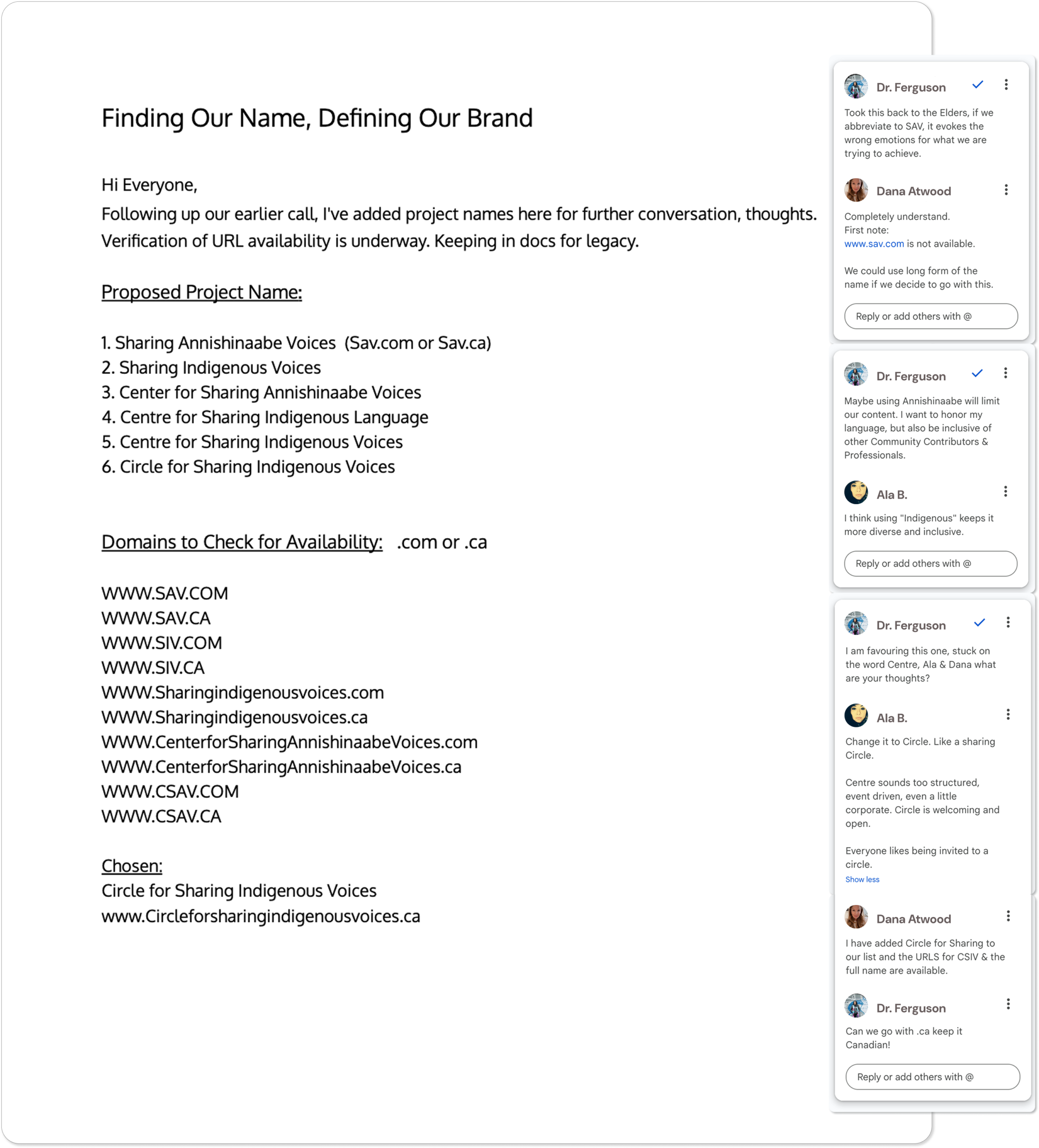
The first step in defining our brand was finding our name. Our small but might team brainstormed some project names & we followed up with a quick conversation using the comments tool in docs.
What was most important to us when refining our name?
We wanted it to be,
- Meaningful
- Distinctive
- Inclusive & Accessible
- Does it evoke the right emotion?
It was also important to us to get the approval of the Sandy Bay Elders. That the name represent the project as well as the community in a positive and valuable way.
Our Visual Identity, Our Look And Feel
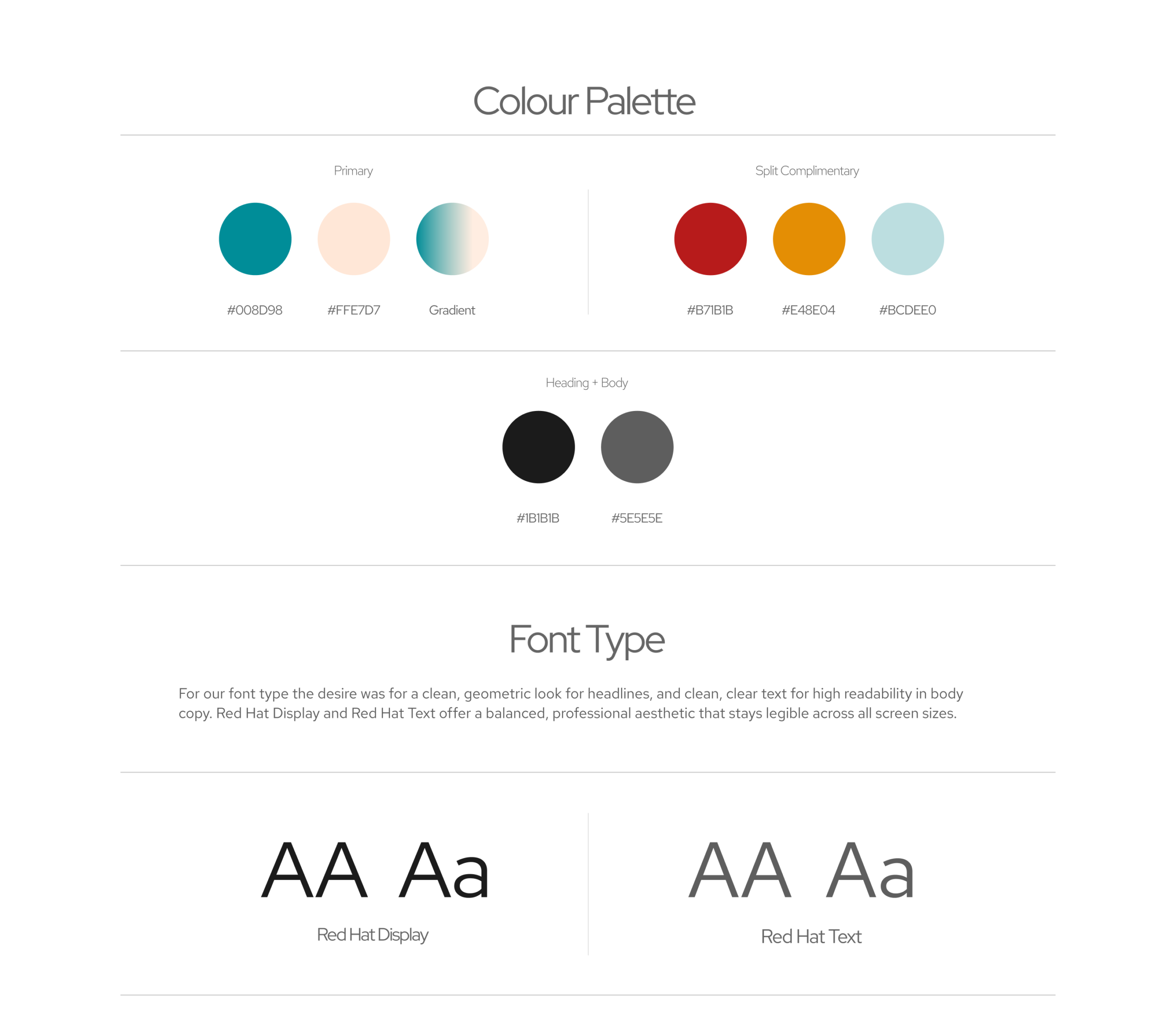
Inspired by her Uncle, Canadian Artist Robert Houle's s own story and his incredible painted works, including the painting Sandy Bay, from 2007. We sought to build our colour palette around Robert's poignant, intimate work, characterized by its haunting, spectral atmosphere.
The distinct palette captures the essence of Sandy Bay with its clean, golden sands and clear waters. I pulled deep teal and a soft blushed sand colour to begin building our own unique colour combinations for our visual design and brand.
Robert Houle, Sandy Bay, 2007, oil on Masonite, 22.9 x 29.8 cm
Our Colours & Font Type
Visual Assets
Our Logo, Our Visuals
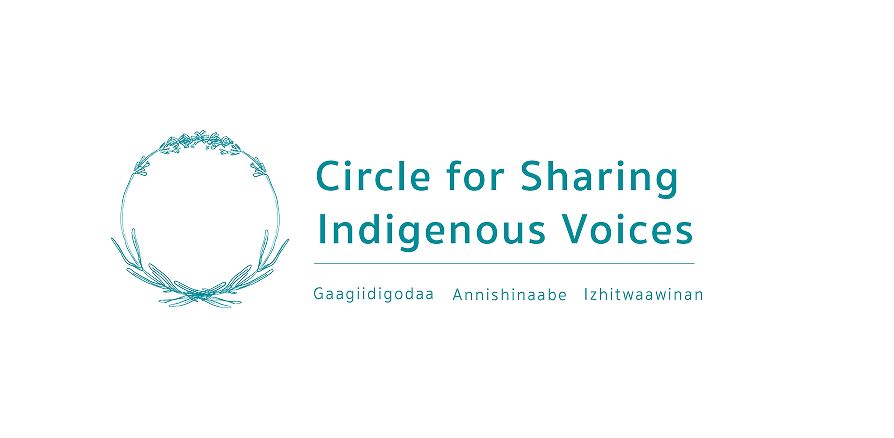
When creating the logo for the CSIV I wanted to prioritize simplicity and memorability, ensuring it remained recognizable, while simultaneously symbolizing how individual stories contribute to a larger, shared narrative.
The CSIV logo centers on the vibrant circular theme that symbolizes the holistic nature and continuous cycle of storytelling. I wanted to capture fluid, interlocking elements that represent the diverse individual perspectives coming together to form a unified community of dialogue.
Grounding the design in tradition with the use of Anishinaabemowin, while maintaining a modern, welcoming aesthetic. Ultimately, the visual identity emphasizes a safe, inclusive space where every voice is heard in the spirit of reconciliation.
ubc case study page is under construction
Circle for Sharing Indigenous Voices project case study is currently being added to this page
- March 4, 2026: Updated work is being added each day-